
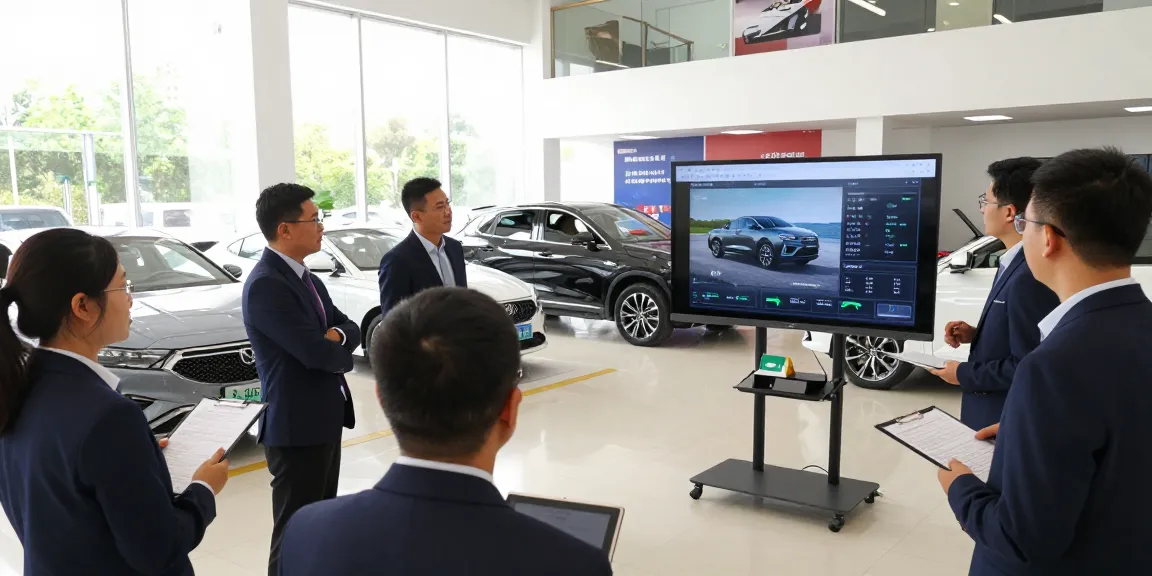
Understanding the Importance of Car Sales Training
In the competitive automotive industry, effective car sales training is crucial for success. Sales representatives and service advisors are often the first point of contact for customers, making their skills in communication, negotiation, and problem-solving vital. As customers become increasingly educated about their purchasing options, the need for well-trained staff who can build trust and close deals has never been more essential. To enhance these abilities, dealerships must integrate advanced training techniques and technology into their training programs. By doing so, they can strengthen their teams and improve overall sales performance.
When exploring options, car sales training can provide comprehensive insights into how best to equip your automotive team for success.
Why Invest in Car Sales Training?
Investing in car sales training is not just an expense; it’s a strategic move that can yield significant returns. A well-trained sales team can foster customer loyalty, enhance brand reputation, and ultimately drive sales growth. Customers prefer working with knowledgeable salespeople who can answer questions and provide valuable insights, making training a key factor in customer satisfaction.
Common Challenges Faced in Auto Sales
Auto sales professionals encounter a variety of challenges:
- High Competition: The automotive market is saturated, and standing out requires superior training.
- Changing Customer Expectations: Customers are now more informed and demand transparency and trust.
- Handling Objections: Salespeople often struggle with addressing customer objections effectively.
- Keeping Up with Trends: The automotive industry is rapidly evolving, and sales teams must stay current on new models and features.
Key Benefits of Effective Training Programs
Implementing effective training programs comes with numerous benefits, including:
- Increased Sales: Targeted training enhances product knowledge and sales techniques, leading to higher closing rates.
- Employee Satisfaction: Investing in training leads to a more engaged workforce, reducing turnover rates.
- Customer Trust: A well-trained staff builds rapport and trust with customers, contributing to long-term relationships.
- Better Adaptability: Continuous training allows teams to adapt quickly to market changes and customer needs.
Innovative Training Approaches with AI and Role-Playing
AI-Powered Voice Training for Realistic Scenarios
Artificial intelligence (AI) is revolutionizing how automotive training is conducted. AI-powered training solutions simulate real-world customer interactions, allowing salespeople to practice their responses to various scenarios. These scenarios can include everything from vehicle presentations and trade negotiations to handling customer objections. By engaging with realistic AI-generated voices, staff can enhance their conversational abilities and gain confidence in their sales skills.
Utilizing Role-Playing to Boost Confidence
Role-playing exercises remain a foundational component of effective sales training. By simulating customer interactions, trainees can experiment with different approaches and refine their techniques in a safe environment. This method allows participants to receive constructive feedback from trainers and peers, ensuring they are well-prepared for real-life situations.
Analyzing Performance Analytics for Continuous Improvement
Performance analytics play a crucial role in identifying areas for improvement within your sales team. Tracking metrics, such as conversion rates, objection handling success, and customer satisfaction scores, provides valuable insights. With advanced training platforms offering detailed analytics, managers can pinpoint strengths and weaknesses within their teams, enabling targeted coaching and enhanced overall performance.
Best Practices for Implementing Car Sales Training
Creating a Structured Training Plan
To achieve effective results, a structured training plan should be established. This plan should outline specific learning objectives, required training resources, and timelines for completion. By setting clear goals, your team can stay focused and motivated throughout the training process.
Incorporating Feedback Mechanisms for Growth
Feedback is essential in any training program. Regularly collecting input from trainees about their experiences can help identify what works and what doesn’t. Furthermore, utilizing customer feedback can provide insights into how well salespeople are meeting customer needs.
Utilizing Real-World Scenarios in Training
Effective training programs should incorporate real-world scenarios that employees are likely to face on the sales floor. This contextual approach enhances learning by allowing employees to apply their knowledge in practical situations. By training with actual case studies and customer interactions, staff can develop better skills for closing deals and overcoming objections.
Measuring the Impact of Training on Sales Performance
Performance Metrics: What to Track and Why
To gauge the effectiveness of car sales training, several critical metrics should be monitored, including:
- Sales Growth: Tracking overall sales figures before and after training initiatives.
- Customer Feedback Scores: Monitoring customer satisfaction ratings post-interaction.
- Close Ratios: Evaluating the percentage of leads converted to sales.
- Time to Close: Analyzing how long it takes to finalize a sale.
Case Studies: Success Stories in Automotive Sales
Examining case studies can reveal the dramatic impacts of targeted training. For instance, a dealership that implemented AI-powered simulations saw a remarkable 35% increase in sales conversions within six months. Such success stories can inspire other organizations to reevaluate their training strategies and embrace innovative approaches.
Adjusting Strategies Based on Analytics Insights
Continuous improvement is essential for maintaining a competitive edge. By analyzing training outcomes, dealerships can adjust their strategies to address weaknesses and capitalize on strengths. Using analytics insights, training programs can be tailored to meet the specific needs of the team, ensuring ongoing development and success.
Future Trends in Car Sales Training and AI Integration
Emerging Technologies and Their Role in Training
As technology continues to advance, new tools and solutions will enhance car sales training programs. Virtual reality (VR) and augmented reality (AR) technologies, for example, offer immersive experiences that allow sales teams to practice in a controlled environment. These cutting-edge tools can significantly boost engagement and retention rates.
Preparing for the Future of Automotive Sales
To remain competitive in the ever-evolving automotive landscape, dealerships must prepare for upcoming shifts in consumer behavior and expectations. Training programs must be agile and adaptable, leveraging technology to meet new challenges. This proactive approach ensures that sales teams are ready to thrive in the future market.
Predictions for 2026 and Beyond
Experts predict that by 2026, the integration of AI in car sales training will enhance personalization significantly. This will allow training programs to be tailored to individual learning styles and needs, offering a more effective learning experience for each team member. Additionally, advancements in data analytics will provide deeper insights into customer interactions, enabling dealers to refine their sales approaches continually.
What are the primary benefits of car sales training?
Car sales training enhances product knowledge, improves customer interactions, increases employee satisfaction, and ultimately drives higher sales. Through effective training, dealerships can ensure that their teams are well-equipped to meet customer expectations and excel in a competitive market.
How can AI enhance automotive training programs?
AI can provide realistic training simulations, allowing team members to practice responses to various customer scenarios. This technology also offers performance analytics that helps managers identify areas for improvement, making training more effective and data-driven.
What metrics should be used to measure training effectiveness?
Key metrics include sales growth, customer feedback, close ratios, and time to close. Tracking these indicators will provide insights into the direct impact of training on performance.
How do role-playing exercises impact sales performance?
Role-playing exercises enhance confidence and skill by allowing salespeople to practice real-life scenarios in a safe environment. This practice leads to improved customer interactions and higher closing rates.
What are the trends influencing the future of car sales training?
Emerging technologies, the need for personalized learning experiences, and the integration of data analytics are significant trends that will shape the future of car sales training.
